What Is Webcam? Complete Beginner’s Guide to Learn & Use
Published: 2 Dec 2025
Ever wondered why your laptop has a tiny camera at the top, or why people often use external cameras for video calls? That little device is your webcam. It’s more than just a camera—it’s your gateway to online learning, meetings, streaming, and even content creation.
In this guide, we’ll explain in detail what is webcam, its history, types, uses, and how to choose the best one. By the end, you’ll know everything you need to make the most of your webcam, whether you’re a student, office worker, teacher, or content creator. So, let’s dive in.
What Is a Webcam
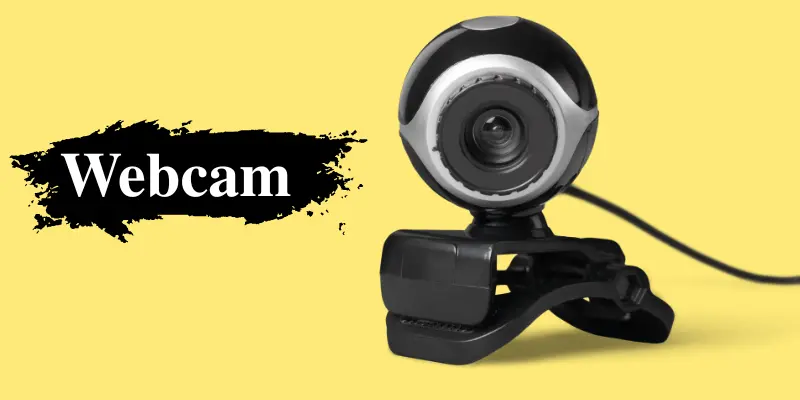
A webcam is a small digital camera connected to a computer or laptop that captures live video and sometimes audio. It allows you to share real-time video with others through video calls, streaming platforms, or recording software. Webcams can be built-in or external, and many offer features like autofocus, low-light support, and a built-in microphone for better quality.
History of Webcam
The first webcam was created in 1991 at the University of Cambridge. Its purpose? To monitor a coffee pot in the computer lab so researchers wouldn’t waste a trip for an empty cup!
Over time, webcams evolved:
- 1990s–2000s: Simple, low-resolution webcams for offices and video calls.
- 2010s: Built-in HD webcams in laptops and external cameras offered clearer video for streaming.
- Today: 1080p and 4K webcams with microphones, autofocus, and low-light support.
Webcams have gone from a simple lab curiosity to an essential tool for communication, work, and entertainment.
If you need detailed information about the History of Webcam, check out this Post:
👉 Explore the History of Webcams: From Invention to Modern Use
How Does a Webcam Work?
Webcams may look simple, but they use technology to capture and transmit video:
- Lens captures light: Light enters through the lens and hits the sensor.
- Sensor converts to digital signal: The image sensor translates light into digital video data.
- Software processes and transmits video: Apps like Zoom, Teams, or OBS receive the video data, process it, and send it over the internet in real time for calls or streaming.
Think of it as a small camera that shows what you do to others in real time.
Types of Webcams
Webcams come in different types to suit various needs, from classes and meetings to streaming and security. Here are the main types of webcams you should know about:
- Built-in Webcams: Integrated in laptops, tablets, or desktops for quick use.
- External Webcams: USB-connected, often better quality than built-in cameras.
- HD Webcams: 720p or 1080p resolution for classes, meetings, and general use.
- 4K Webcams: Ultra-clear video for professional streaming and content creation.
- Gaming Webcams: High frame rates and customizable settings for gamers and streamers.
- Wireless Webcams: Connect through WiFi or Bluetooth for flexible placement without cables.
- Security Webcams: For home or office surveillance, often with motion detection.
- Document Cameras: Capture documents or objects in detail, ideal for teaching and presentations.
What Are Webcams Used For?
Webcams are versatile tools that help you connect, create, and share. From personal communication to professional work, here are the main ways people use webcams:

- Online classes and learning: Students can attend virtual lectures, participate in discussions, or submit video assignments.
- Work meetings and video conferencing: Professionals can join Zoom, Teams, or Google Meet calls for smooth collaboration.
- Streaming and content creation: Creators on YouTube, TikTok, or Twitch use webcams for clear, high-quality videos.
- Security and surveillance: Webcams can monitor homes or offices, often with motion detection features.
- Social video and communication: Stay connected with family and friends through video calls, virtual events, or webinars.
Advantages and Disadvantages of Webcams
Webcams offer many benefits for work, learning, and communication, but they also come with a few limitations you should keep in mind. Here are the main pros and cons of webcams:
| Advantages: |
|---|
|
| Disadvantages: |
|---|
|
Features to Check Before Buying a Webcam
Before buying a webcam, check these important features to get the best video quality and experience.
- Resolution: Higher resolution gives a much clearer and sharper video. Always choose the highest you can afford (720p, 1080p, or 4K) for better image quality.
- Frame Rate: A higher frame rate (30fps or 60fps) produces smoother video. 60fps is ideal for gaming or fast-motion streaming.
- Autofocus: Keeps your face or objects clear even if you move. Avoid webcams without autofocus if you plan to record or stream actively.
- Low-Light Performance: Webcams that handle low light well give brighter and clearer video in dim rooms. Ideal if you frequently work or stream at night.
- Field of View (FOV): Determines how much area the camera captures. Narrow FOV for solo use, wide FOV for group meetings or streaming setups.
- Built-in Microphone: Convenient if you don’t have an external mic.
- Connectivity: Most webcams use USB, but some offer Wireless or Bluetooth options for flexible placement without cables.
- Compatibility: Make sure the webcam works with your system (Windows, Mac, Linux) and apps like Zoom, Teams, or OBS.
Conclusion
So guys, now you understand what is webcam and everything that comes with it. We covered how webcams started, how they work, their types, real uses, and the key features to check before buying one.
My personal recommendation? Always choose a webcam that fits your needs, not just your budget. Good resolution, smooth frame rate, and clear autofocus can truly improve your meetings, classes, or streaming experience. It’s a small device, but it makes a big difference.
Thanks for reading, guys— keep learning, stay curious, and see you in the next guide!
Frequently Asked Questions (FAQs)
Here are answers to some of the most common questions about Webcam:
Not always. Built-in webcams work fine for basic calls, but external webcams give clearer video and better low-light performance. If you want higher quality or stream often, an external webcam is a better choice.
For everyday meetings, 720p or 1080p is enough. If you create content or want a very sharp video, go for 4K. Higher resolution means a clearer and cleaner image.
Yes, webcams are safe as long as you protect your device. Always keep your system updated and cover the webcam when not in use. Avoid clicking on unknown links to prevent hacking.
You can use it for recording videos without the internet. But for video calls or live streaming, internet is required. Offline recording works through your laptop’s camera app or third-party software.
A webcam in a laptop is a small built-in camera placed at the top of the screen. It lets you make video calls, attend classes, and record videos without needing any extra devices. It turns on automatically when apps like Zoom or Google Meet need it.
A webcam in a computer is usually an external camera that you connect through a USB port. It helps you capture video for meetings, streaming, or recordings. Desktop PCs mostly rely on external webcams because monitors don’t include built-in cameras.
A webcam means “web camera,” which is a digital camera used to capture live video through a computer or the internet. It allows people to see each other during online communication. You can use it for meetings, classes, streaming, or security.
The first webcam was made in 1991 by Quentin Stafford-Fraser and Paul Jardetzky at the University of Cambridge in England.





- Be Respectful
- Stay Relevant
- Stay Positive
- True Feedback
- Encourage Discussion
- Avoid Spamming
- No Fake News
- Don't Copy-Paste
- No Personal Attacks
- Be Respectful
- Stay Relevant
- Stay Positive
- True Feedback
- Encourage Discussion
- Avoid Spamming
- No Fake News
- Don't Copy-Paste
- No Personal Attacks
